Sanatana Dharma in the Modern World: Why Ancient Wisdom Still Matters Today
The modern world moves at an extraordinary pace. Every day brings new technologies, changing lifestyles, and endless streams of information. While these advancements have made life more connected and convenient, they have also created new challenges. Stress, anxiety, loneliness, and uncertainty have become increasingly common, even in societies that enjoy greater material comfort than ever before. Many people find themselves asking a simple yet profound question: Is there something more to life than success, possessions, and constant achievement?
For thousands of years, Sanatana Dharma has offered a perspective that speaks directly to this search. Rather than being limited to rituals or religious practices, it presents a timeless way of understanding life, human nature, and our relationship with the world around us. Its teachings continue to inspire millions because they address questions that remain relevant regardless of time, culture, or technological progress.
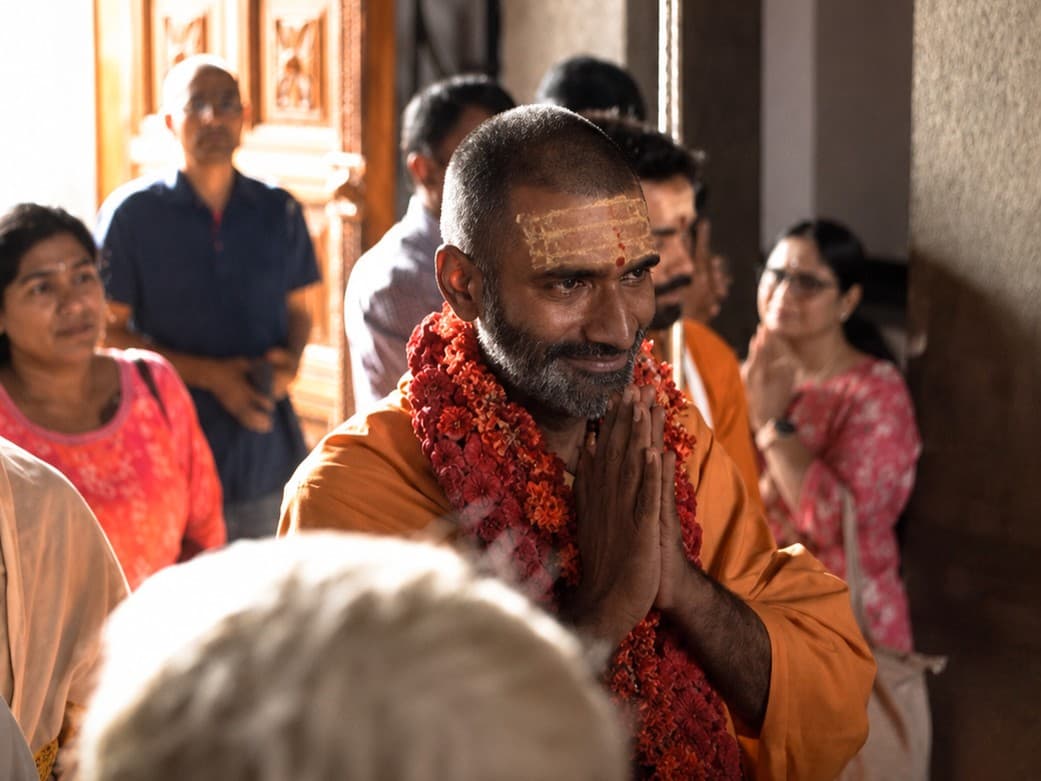
As spiritual leaders such as Swami Anandavanam Bharathi continue to share these teachings with contemporary audiences, more people are discovering that ancient wisdom is not outdated. Instead, it offers practical guidance for living with greater clarity, balance, and purpose in today's world.
Understanding the Meaning of Sanatana Dharma
The phrase Sanatana Dharma is often translated as the eternal way of life. Unlike systems that are defined solely by a particular period of history, Sanatana Dharma represents timeless principles that guide individuals toward truth, compassion, self-discipline, and inner peace.
At its heart, Sanatana Dharma encourages people to live in harmony with themselves, with society, with nature, and with the Divine. It teaches that every individual has the potential to grow spiritually through sincere effort, ethical living, and continuous self-improvement.
This understanding makes Sanatana Dharma far more than a collection of customs or ceremonies. It becomes a philosophy that influences everyday decisions, relationships, and personal character.
Looking Beyond Material Success
Modern society often celebrates external achievements. Education, careers, wealth, and recognition are all important aspects of life, but they do not always guarantee lasting happiness. Many people achieve professional success while still experiencing dissatisfaction, emotional exhaustion, or a lack of purpose.
Sanatana Dharma invites individuals to broaden their understanding of success. It encourages people to cultivate qualities such as patience, kindness, honesty, humility, and wisdom alongside professional accomplishment. A successful life is measured not only by what a person earns but also by the peace they experience and the positive impact they have on others.
This perspective does not reject ambition. Instead, it reminds us that external success becomes more meaningful when supported by inner stability.
Self-Transformation Before Social Transformation
One of the central teachings emphasised by Swami Anandavanam Bharathi is that genuine change begins within the individual. It is easy to criticise society, institutions, or other people. It is much more difficult to examine our own thoughts, habits, and behaviour with honesty.
Sanatana Dharma encourages self-reflection because every lasting transformation begins there. When individuals become more compassionate, truthful, disciplined, and responsible, families become stronger. Strong families contribute to healthier communities, and healthy communities create a more harmonious society.
This approach reminds us that personal responsibility is the foundation upon which meaningful social progress is built.
Finding Peace in a World Full of Noise
The digital age has transformed the way people communicate, learn, and work. Yet constant connectivity often leaves very little space for silence or reflection. Notifications compete for attention, social media encourages endless comparison, and many people struggle to disconnect from the pressures of everyday life.
Sanatana Dharma teaches that peace is not something we discover outside ourselves. It develops gradually through self-awareness, meditation, disciplined living, and mindful action. Even a few moments of quiet reflection each day can help restore emotional balance and mental clarity.
The purpose of spiritual practice is not to escape modern life but to engage with it more consciously, making decisions from a place of wisdom rather than constant reaction.
Dharma in Everyday Life
Many people associate Dharma only with religious practices, but its meaning extends much further. Dharma refers to living in accordance with truth, righteousness, and responsibility. Every day presents opportunities to practice Dharma through ordinary actions.
Speaking honestly during difficult conversations, treating colleagues with respect, fulfilling responsibilities toward family, protecting the environment, and helping those in need are all expressions of Dharma. Spirituality is therefore not confined to temples or festivals. It becomes part of everyday life through the choices people make.
This understanding allows individuals from every profession and background to live spiritually without withdrawing from society.
Compassion as a Way of Living
One of the defining values of Sanatana Dharma is compassion. Every living being deserves respect because life itself is regarded as sacred. This principle encourages kindness not only toward fellow human beings but also toward animals, nature, and future generations.
Compassion is expressed through service rather than words alone. Supporting education, helping those facing illness, caring for the elderly, protecting the environment, and guiding young people all become forms of spiritual practice.
The initiatives envisioned by Juna Akhada in Kerala reflect this understanding by combining spiritual education with healthcare, environmental conservation, youth development, and community service. These efforts demonstrate that spirituality naturally inspires positive action within society.
Preserving Culture While Embracing Progress
One of the greatest challenges facing modern societies is balancing rapid development with cultural preservation. Technological progress offers remarkable opportunities, but communities also risk losing valuable traditions, languages, and knowledge that have shaped their identity for centuries.
Sanatana Dharma encourages progress without abandoning cultural roots. Ancient wisdom and modern innovation need not exist in opposition. Instead, they can complement one another when approached thoughtfully.
This philosophy can be seen in efforts to digitise ancient manuscripts, strengthen traditional education, and establish research centres that integrate classical knowledge with contemporary understanding. Such initiatives preserve India's intellectual heritage while making it accessible for future generations.
The Importance of Community
Human beings naturally seek connection. Throughout history, spiritual communities have provided places where people support one another during times of joy and difficulty. Temples, ashrams, pilgrimages, and spiritual gatherings create opportunities for learning, friendship, and collective service.
In today's fast-paced world, these communities remain valuable because they remind individuals that they are part of something larger than themselves. They encourage cooperation instead of competition and service instead of self-centredness.
The growing initiatives of Juna Akhada in South India seek to strengthen these community connections by creating spaces where spirituality, education, and social responsibility come together in meaningful ways.
A Message for the Younger Generation
Many young people today are searching for direction while navigating careers, education, relationships, and personal aspirations. They often face pressures that previous generations never experienced, including constant digital engagement and rapidly changing social expectations.
Sanatana Dharma offers guidance without imposing rigid limitations. It encourages curiosity, continuous learning, self-discipline, and ethical decision-making while recognising that every individual's spiritual journey is unique.
Rather than asking young people to reject modern life, it invites them to develop the inner strength necessary to engage with it wisely. Education, professional success, and spiritual growth can coexist when guided by clear values and a balanced perspective.
A Timeless Path for Every Generation
The relevance of Sanatana Dharma does not depend upon a particular era or social condition. Its enduring strength lies in its understanding of human nature. While technology changes and societies evolve, the fundamental questions about purpose, happiness, relationships, and inner peace remain the same.
The teachings preserved through generations of saints, scholars, and spiritual leaders continue to offer practical wisdom for navigating these questions with confidence and compassion. They remind us that lasting fulfilment cannot be found solely through external achievements but grows from within through self-awareness, ethical living, and service to others.
As institutions like Juna Akhada continue their work in Kerala and across India, this timeless wisdom reaches new generations seeking meaning in an increasingly complex world. Their efforts demonstrate that spirituality remains deeply relevant—not as a retreat from modern life, but as a guide for living it with greater clarity, balance, and purpose.
Sanatana Dharma has endured because it speaks not only to the past but also to the present and the future. It reminds every seeker that true progress begins with inner transformation, that wisdom grows through experience, and that a meaningful life is built upon compassion, responsibility, and an unwavering commitment to truth.