Kumbh Mela: A Journey of Faith, Transformation, and Timeless Tradition
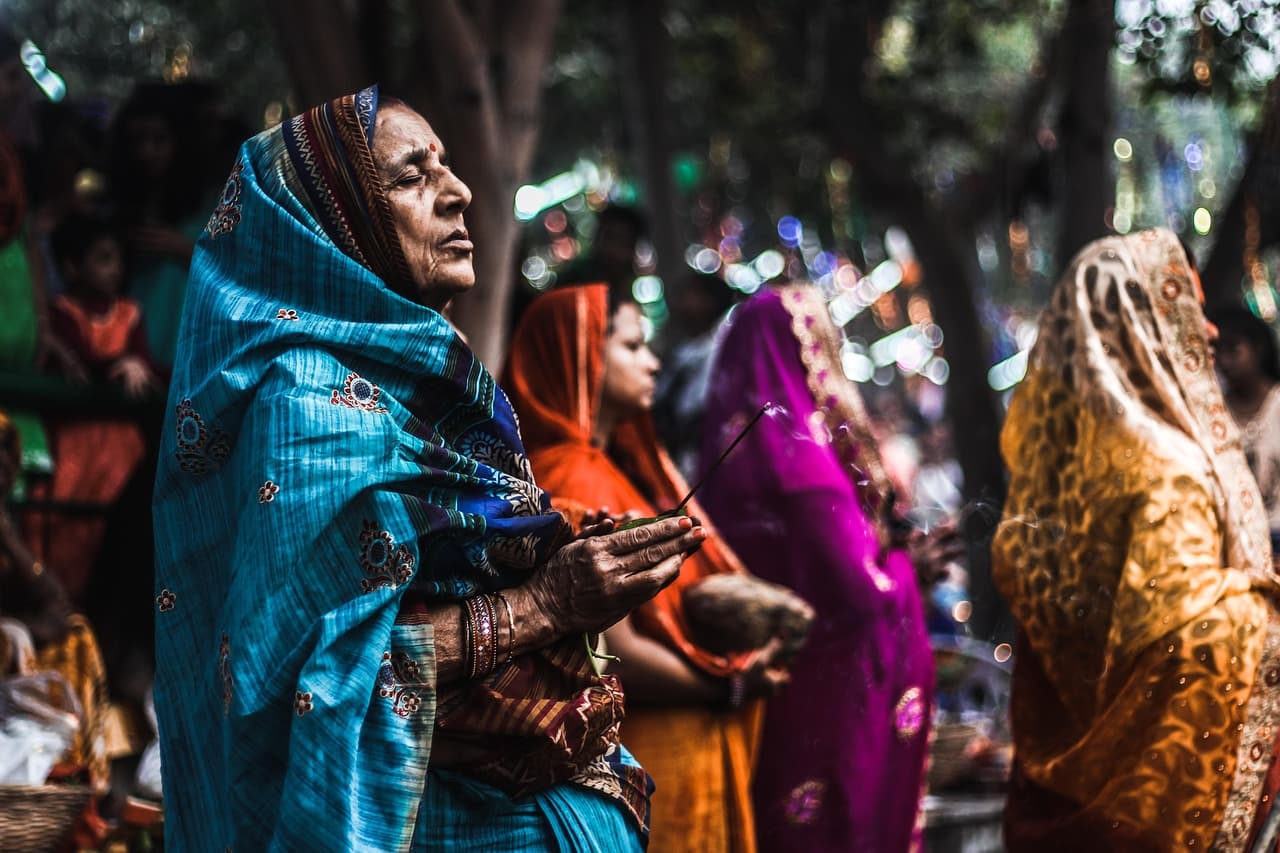
There are few gatherings in the world that can match the scale, spiritual depth, and cultural significance of the Kumbh Mela. Every few years, millions of pilgrims, saints, ascetics, scholars, and seekers come together on the banks of India's sacred rivers, united by a shared faith that has endured for centuries. To an outside observer, it may appear to be the world's largest religious gathering. But for those who participate, the Kumbh Mela is much more than a festival. It is a profound spiritual journey that invites people to pause, reflect, and reconnect with something far greater than themselves.
For generations, devotees have travelled across the country to take part in this sacred tradition. They leave behind the routines of everyday life and embark on a pilgrimage that is as much about inner transformation as it is about physical travel. The Kumbh Mela represents the continuity of Sanatana Dharma, preserving ancient customs while inspiring new generations to explore the deeper meaning of life. Today, organisations such as Juna Akhada continue to play an important role in ensuring that this timeless tradition remains vibrant, accessible, and meaningful for people from every corner of India, including the growing community of devotees from Kerala.
More Than the World's Largest Gathering
Every Kumbh Mela attracts millions of pilgrims from diverse backgrounds. Some arrive after months of preparation, while others come with little more than faith in their hearts. People of different languages, cultures, professions, and ages gather with a common purpose: to seek spiritual renewal.
Unlike many festivals that are centred on celebration alone, the Kumbh Mela encourages introspection. It reminds participants that life extends beyond material achievements and daily responsibilities. The atmosphere itself inspires reflection. The sight of saints engaged in meditation, devotees offering prayers at sunrise, and spiritual discourses taking place throughout the day creates an environment where people naturally begin to look inward.
The gathering demonstrates the remarkable ability of India's spiritual traditions to unite people across geographical and cultural boundaries. It is a living reminder that spirituality continues to hold a central place in the lives of millions.
A Tradition That Has Endured for Centuries
The Kumbh Mela has remained one of the most enduring spiritual traditions in India because it is deeply connected to the philosophical foundations of Sanatana Dharma. Generation after generation, families have passed down stories of the sacred gathering, inspiring younger members to experience it for themselves.
Held at four sacred locations—Haridwar, Prayagraj, Nashik, and Ujjain—the Kumbh Mela follows a traditional cycle observed for centuries. Each location carries its own spiritual significance, drawing devotees who seek blessings, purification, and an opportunity to deepen their connection with the Divine.
The continuity of this tradition reflects something remarkable. In a rapidly changing world, the Kumbh Mela remains a place where ancient customs continue to thrive without losing their relevance. Pilgrims who attend today participate in rituals and traditions that have inspired seekers for countless generations.
Pilgrimage as an Inner Journey
For many first-time visitors, the Kumbh Mela begins as a physical journey. They plan their travel, prepare their belongings, and arrive at one of the sacred cities. Yet those who have experienced the gathering often describe a different kind of journey that unfolds after their arrival.
Living among saints and devotees encourages simplicity. Daily routines become slower and more intentional. Time is spent in prayer, meditation, listening to spiritual discourses, and engaging in meaningful conversations. The distractions that usually dominate modern life gradually fade into the background.
Pilgrimage has always been understood as an opportunity to leave behind familiar surroundings in order to gain a fresh perspective on life. The Kumbh Mela creates an environment where this transformation becomes possible. It invites individuals to reflect upon their values, their relationships, and the direction of their lives with renewed clarity.
The Role of Juna Akhada
Among the many spiritual institutions that participate in the Kumbh Mela, Juna Akhada occupies a place of great respect. As one of India's oldest and largest monastic orders, it has played a significant role in preserving the traditions, disciplines, and teachings associated with the gathering.
The presence of Juna Akhada extends far beyond ceremonial processions. Throughout the Kumbh Mela, monks and spiritual teachers offer guidance to devotees, conduct religious ceremonies, and preserve customs that have been handed down through centuries of spiritual practice.
For many pilgrims, meeting experienced ascetics provides an opportunity to ask questions, receive blessings, and gain deeper insight into the principles of Sanatana Dharma. These interactions often become some of the most memorable aspects of the pilgrimage, reminding visitors that spiritual wisdom is best experienced through living traditions rather than books alone.
Welcoming Devotees from Kerala
Recognising the growing interest among devotees in South India, Juna Akhada has initiated efforts to make participation in the Kumbh Mela more accessible for people from Kerala. Many devotees wish to undertake this sacred journey but may feel uncertain about travel arrangements, accommodation, or the practical aspects of participating in such a large gathering.
The vision behind the Kerala initiative is to provide organised support that allows pilgrims to focus on the spiritual significance of their journey. Assistance with travel coordination, accommodation, and guidance helps create a smoother and more meaningful experience, particularly for first-time visitors.
This effort also strengthens the connection between Kerala's rich spiritual heritage and the broader traditions of Sanatana Dharma, encouraging greater cultural and spiritual exchange across different regions of India.
Learning Beyond Rituals
While sacred bathing and traditional ceremonies remain central to the Kumbh Mela, the experience offers much more than religious observances. Throughout the gathering, visitors have opportunities to listen to spiritual discourses, engage with scholars, observe ancient traditions, and learn directly from experienced saints.
These interactions encourage thoughtful reflection rather than blind acceptance. Questions about Dharma, meditation, ethical living, and personal growth become part of meaningful conversations that continue long after the pilgrimage ends.
Many devotees return home carrying not only memories of sacred rituals but also new perspectives that influence the way they approach everyday life. In this sense, the Kumbh Mela becomes an educational experience as much as a spiritual one.
A Spirit of Service
One of the most inspiring aspects of the Kumbh Mela is the spirit of selfless service that can be witnessed throughout the gathering. Volunteers, monks, and organisations work together to support the needs of millions of visitors. Meals are prepared and distributed, guidance is offered to pilgrims, and countless individuals contribute quietly behind the scenes to ensure that the event runs smoothly.
This culture of service reflects one of the fundamental principles of Sanatana Dharma: genuine spirituality naturally expresses itself through compassion. Helping others becomes an act of devotion rather than obligation.
Inspired by this philosophy, the Kerala initiative also seeks to extend this spirit of service beyond the Kumbh Mela by supporting education, healthcare, environmental conservation, and community development throughout the year.
Preserving Tradition for Future Generations
Every generation faces the responsibility of preserving its cultural and spiritual heritage. The Kumbh Mela serves as a powerful reminder that traditions remain alive only when they are experienced, understood, and passed on.
Young people who participate in the pilgrimage gain an opportunity to witness centuries-old customs firsthand. They encounter spiritual teachers, observe traditional practices, and experience the atmosphere of devotion that has inspired millions before them.
By encouraging greater participation among younger generations, Juna Akhada hopes to ensure that the values of Sanatana Dharma continue to flourish while remaining meaningful within the context of contemporary society.
A Journey That Continues After Returning Home
Perhaps the greatest lesson of the Kumbh Mela is that the pilgrimage does not end when devotees return home. The true purpose of the journey is not simply to visit a sacred place but to carry its lessons into everyday life.
The patience learned while travelling with millions of pilgrims, the humility experienced in the presence of saints, the peace discovered during moments of prayer, and the inspiration gained from spiritual teachings all become part of one's personal journey long after the festival concludes.
In this way, the Kumbh Mela transforms from a single event into a continuing source of guidance. It reminds people that spirituality is not confined to special occasions but can become part of ordinary life through compassion, self-discipline, gratitude, and service.
Carrying the Spirit of Kumbh Mela Forward
The Kumbh Mela is far more than an extraordinary gathering of millions. It is a living expression of India's spiritual heritage, a celebration of faith that has endured through centuries, and an invitation for every individual to embark upon a journey of self-discovery. Its significance lies not only in ancient rituals or sacred locations but in its ability to awaken reflection, strengthen devotion, and inspire positive transformation.
As Juna Akhada expands its outreach in South India and works to support devotees from Kerala, more people will have the opportunity to experience this timeless tradition with greater confidence and understanding. Through organised guidance, spiritual leadership, and a continued commitment to service, the vision is to ensure that the blessings of the Kumbh Mela reach not only those who travel to its sacred sites but also the communities they return to.
Ultimately, the greatest gift of the Kumbh Mela is not found in the crowds or ceremonies alone. It is found in the quiet transformation that takes place within the heart of every sincere seeker—a reminder that the path to peace, wisdom, and spiritual fulfilment begins with a single step taken in faith.