Juna Akhada: Preserving an Ancient Spiritual Legacy for the Modern World
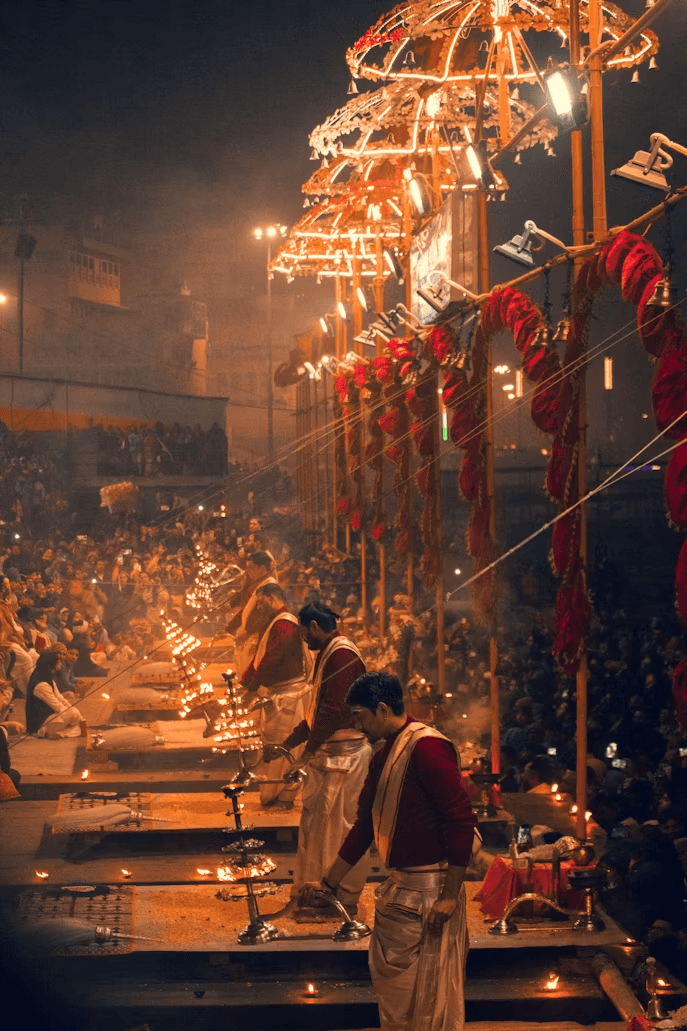
For thousands of years, India has been home to spiritual traditions that have shaped not only religious thought but also philosophy, education, culture, and society. Among these traditions, the Akhadas occupy a unique place. They are not simply monastic institutions where ascetics live in isolation; they are living centres of spiritual discipline, learning, service, and the preservation of Sanatana Dharma. Among them, Juna Akhada stands as one of the oldest, largest, and most respected monastic orders in the country.
Although many people encounter Juna Akhada only during the spectacular processions of the Kumbh Mela, its contribution extends far beyond these grand gatherings. For centuries, the Akhada has nurtured saints, protected sacred traditions, guided seekers, and adapted its timeless wisdom to meet the needs of changing generations. Today, under the leadership of respected spiritual teachers, Juna Akhada continues this mission while expanding its presence in South India, creating new opportunities for spiritual learning and community service.
Understanding the Meaning of an Akhada
The word "Akhada" often brings to mind images of saffron-clad monks, sacred rituals, and the Kumbh Mela. While these images are certainly part of its identity, an Akhada represents something much deeper. It is a disciplined spiritual institution where monks dedicate their lives to the pursuit of self-realisation while preserving the teachings and traditions of Sanatana Dharma.
An Akhada is built upon the principles of discipline, knowledge, renunciation, and service. Individuals who enter this path commit themselves to years of rigorous spiritual practice under the guidance of experienced teachers. Their training involves not only meditation and scriptural study but also the cultivation of humility, self-control, compassion, and unwavering dedication to Dharma.
For centuries, Akhadas have served as guardians of India's spiritual heritage, ensuring that sacred knowledge is passed from one generation to the next without losing its authenticity.
The Legacy of Juna Akhada
Among India's many monastic traditions, Juna Akhada holds a position of exceptional importance. It is recognised as one of the oldest and most influential Akhadas within the Dashanami Sampradaya established by Adi Shankaracharya. Over many centuries, it has played a central role in preserving the philosophical foundations of Sanatana Dharma while supporting spiritual education across the country.
The Akhada has become known not only for its large community of ascetics but also for its commitment to protecting ancient traditions during periods of social and political change. Through generations of dedicated monks, scholars, and spiritual leaders, Juna Akhada has maintained an unbroken lineage of knowledge that continues to inspire seekers throughout India.
Today, it remains one of the largest monastic orders in the country, bringing together hundreds of thousands of sannyasis who dedicate their lives to spiritual practice and service.
A Living Tradition, Not a Historical Institution
Unlike historical monuments that preserve the past through architecture, Juna Akhada preserves tradition through people. Every monk who joins the Akhada becomes part of a living lineage that stretches back centuries. This continuity allows ancient teachings to remain relevant without becoming disconnected from modern society.
Life within the Akhada is centred on discipline and continuous learning. Renunciation is understood not as withdrawal from the world but as freedom from personal attachment. This perspective enables monks to dedicate themselves fully to serving society while remaining rooted in spiritual principles.
The strength of Juna Akhada lies in its ability to preserve ancient wisdom without allowing it to become stagnant. Each generation inherits the teachings of the past while finding meaningful ways to apply them in the present.
The Spiritual Discipline of Renunciation
Choosing the path of sannyasa is one of the most profound decisions a person can make. It requires leaving behind personal ambitions, material possessions, and worldly identities in order to seek a deeper understanding of existence.
Within Juna Akhada, this journey is guided by experienced spiritual teachers who help aspirants develop patience, discipline, and inner clarity. Spiritual practice involves meditation, scriptural study, pilgrimage, selfless service, and long periods of contemplation. These practices are not viewed as isolated rituals but as methods of transforming one's character and cultivating wisdom.
The emphasis is always placed on inner growth rather than outward recognition. Titles and positions within the Akhada are regarded as responsibilities earned through years of dedication rather than personal achievements.
Juna Akhada and the Kumbh Mela
For many devotees, the most visible expression of Juna Akhada's presence is during the Kumbh Mela. Held at the sacred locations of Haridwar, Prayagraj, Nashik, and Ujjain, the Kumbh Mela is considered one of the world's largest spiritual gatherings, attracting millions of pilgrims seeking blessings, spiritual guidance, and sacred bathing.
During these gatherings, Juna Akhada occupies an important role. Its monks participate in traditional processions, religious ceremonies, and spiritual discourses that have been preserved for generations. These occasions also provide opportunities for seekers from different regions and backgrounds to interact directly with experienced ascetics and learn about the deeper principles of Sanatana Dharma.
The Kumbh Mela is therefore much more than a religious festival. It serves as a living classroom where tradition, devotion, philosophy, and community come together in a remarkable celebration of India's spiritual heritage.
Bringing Ancient Wisdom to South India
In recent years, Juna Akhada has begun expanding its activities in South India, with Kerala serving as a major focus of this initiative. This expansion reflects a broader vision of making spiritual teachings, traditional practices, and community service more accessible to people across the region.
Rather than simply establishing new administrative centres, the vision is to create a network that combines spiritual guidance with meaningful social engagement. This effort seeks to strengthen the connection between Kerala's rich cultural heritage and the wider traditions of Sanatana Dharma.
Under the leadership of Mahamandaleshwar Swami Anandavanam Bharathi, this initiative represents an important step in bringing together ancient wisdom and contemporary society while respecting the unique cultural identity of South India.
Kaalika Peetam: A New Chapter
An important part of this expansion is the establishment of Kaalika Peetam under Juna Akhada. Designed as a structured initiative, it aims to create a coordinated framework for spiritual activities, education, community outreach, and cultural preservation throughout Kerala.
The initiative proposes a network consisting of a central ashram, district-level Seva Kendras, and local offices that will work together to support devotees and communities. This organisational structure reflects the Akhada's intention to remain accessible while ensuring that its programmes are effectively implemented across different regions.
Rather than functioning solely as a religious institution, Kaalika Peetam seeks to become a centre where spiritual values inspire practical service to society.
Spirituality Expressed Through Service
One of the defining characteristics of Juna Akhada's vision is the understanding that spirituality naturally leads to service. Genuine spiritual growth is reflected not only through meditation and prayer but also through compassion and responsibility toward society.
The Kerala initiative includes programmes that support pilgrims travelling to the Kumbh Mela and other sacred destinations, educational guidance for students, healthcare assistance, legal support, youth development, yoga, meditation, environmental conservation, and the preservation of India's traditional knowledge systems.
These initiatives illustrate a philosophy in which spiritual practice and social responsibility complement one another rather than existing separately. By addressing practical needs alongside spiritual development, Juna Akhada hopes to contribute to the overall well-being of individuals and communities.
Preserving Knowledge for Future Generations
Another important aspect of Juna Akhada's vision is the preservation of India's intellectual and spiritual heritage. Ancient manuscripts, traditional educational systems, and classical knowledge represent invaluable cultural treasures that require careful protection.
The proposed initiatives include the digitisation of rare manuscripts and the development of a Gurukula Education Consortium that combines traditional learning with contemporary educational approaches. Such efforts recognise that preserving knowledge is not only about protecting the past but also about making timeless wisdom available to future generations.
In an increasingly digital world, safeguarding ancient texts and teachings ensures that they remain accessible to scholars, students, and spiritual seekers around the globe.
A Tradition That Continues to Evolve
The story of Juna Akhada is not confined to history books or ancient legends. It is a living tradition that continues to grow while remaining firmly rooted in the principles that have guided it for centuries. Its strength lies in its ability to preserve spiritual authenticity while responding thoughtfully to the needs of contemporary society.
As its presence expands into South India, Juna Akhada carries forward a vision that extends beyond monasteries and temples. It seeks to inspire individuals through spiritual education, encourage communities through meaningful service, and preserve the philosophical heritage that has shaped Indian civilisation for generations.
In a rapidly changing world, institutions like Juna Akhada remind us that enduring wisdom does not become outdated. Instead, it continues to illuminate new paths for those seeking purpose, inner peace, and a deeper connection with the timeless values of Sanatana Dharma.